
From pilot to production: AI and innovation that actually goes live
I led the delivery of bp's first production generative-AI system. Now I help energy, trading and commodities businesses do the same — and build the capability to keep doing it without me.
The problem isn't the technology
Organisations operating in complex, regulated industries face a consistent and well-documented problem: the capacity to generate innovation ideas significantly outpaces the capacity to deliver them at scale and capture their value.
Pilots show promise, then stall blocked by well-intentioned corporate governance, data constraints, shifting priorities, or the lack of organisational capability and the ability to prioritise effectively.
The limiting factor is rarely the technology. It is the organisation.
What I bring
I've spent 20 years inside energy, trading and commodities. Most recently I led innovation for bp's trading business.
- delivered bp's first production generative-AI application - a GenAI assistant analysing complex trade data and contracts
- built the data foundations across Microsoft Azure, AWS and Palantir Foundry cloud platforms
- created the first global view of bp's production assets, contributing to ~£1bn in revenue over three years
- led a 130-person data organisation delivering analytics and AI products across 5 business units
- set up a commodity trading innovation lab that cut time-to-delivery by 45%
I'm not a strategist describing AI from the outside. I've shipped it in environments where a poor decision has immediate, material consequences. That's what separates my practice from conventional consultancy: I've already done the thing I'm advising you to do.
My recent work is mostly AI in trading and commodities, but the underlying challenge is broader — how to build an organisation that innovates systematically, with clear strategic purpose, and without depending on outside help long-term.
How I work

Phase 1: Diagnostic
(2-4 weeks)
A structured assessment of your stakeholders, governance, data and culture to find exactly what's blocking delivery and where the real value sits.
You get an evidence-based picture of the blockages and the opportunities — not a generic maturity score.

Phase 2: Capability Building
We build what the diagnostic identified: team design, governance that fits innovation rather than fighting it, and a way to prioritise use cases by strategic value.
The goal throughout is self-sufficiency. Engagements are designed to transfer capability, not create dependency.
Credentials
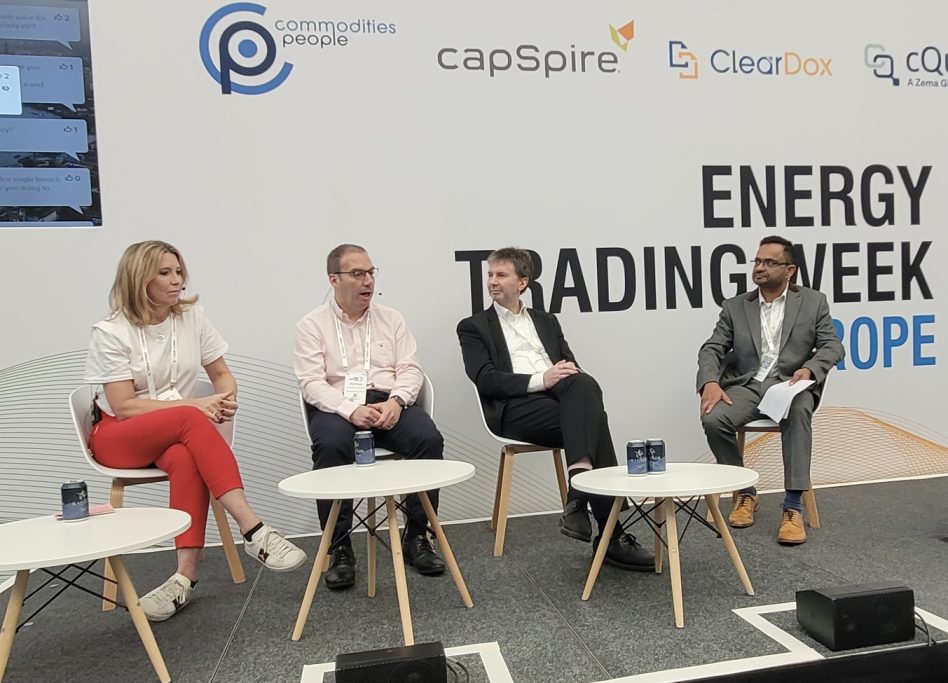
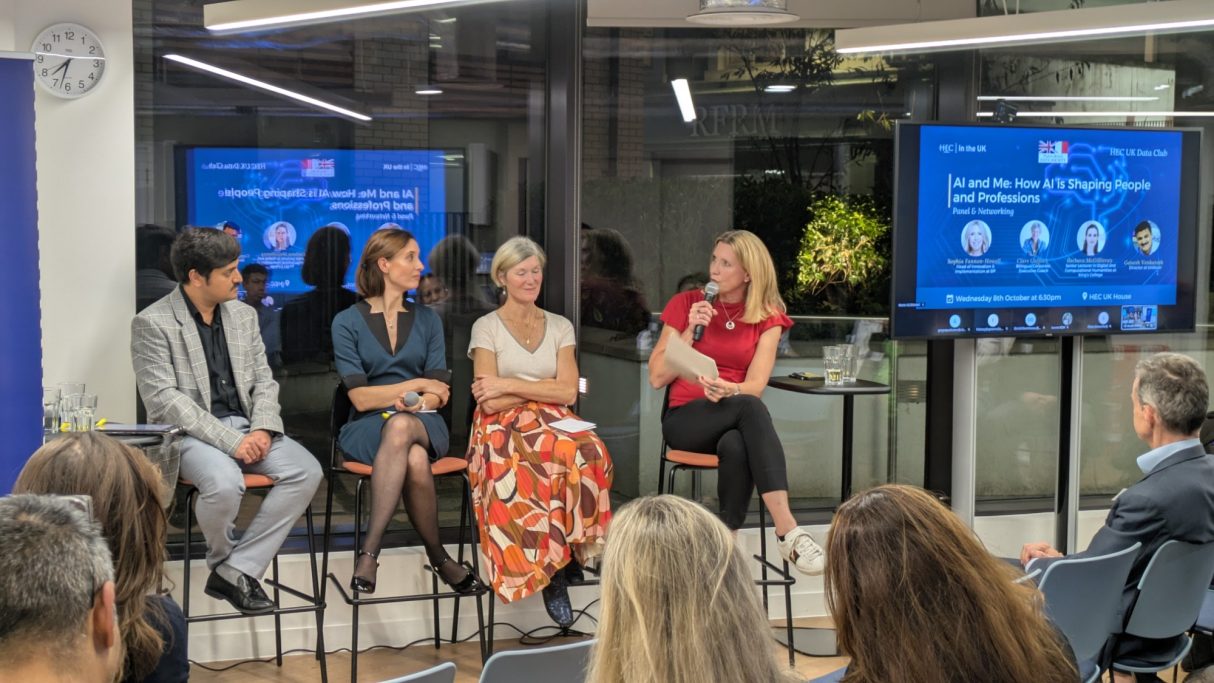
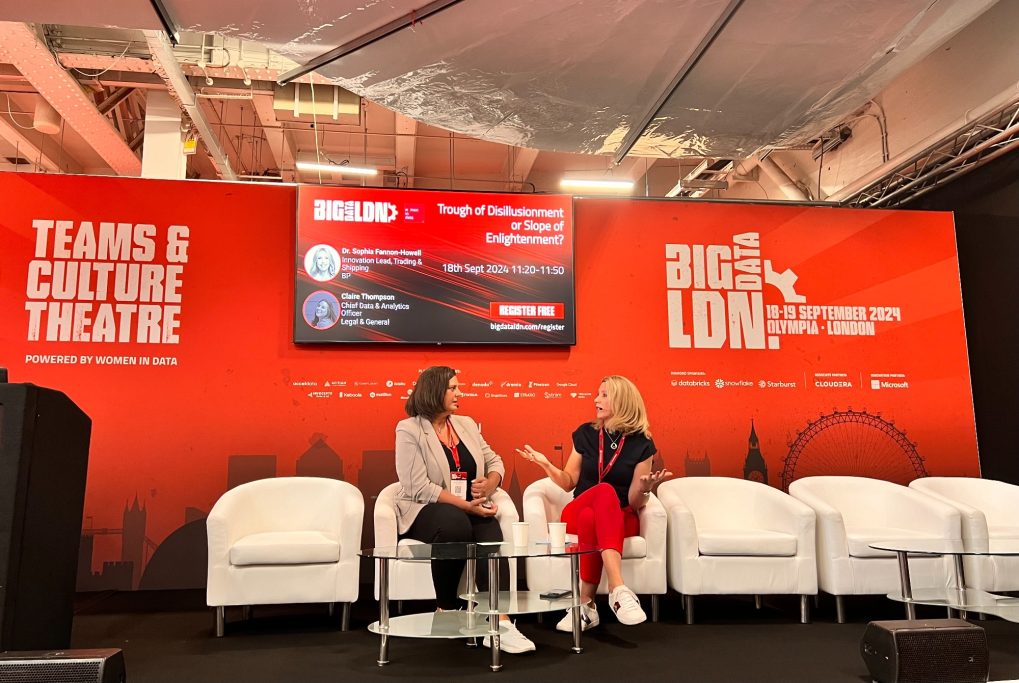
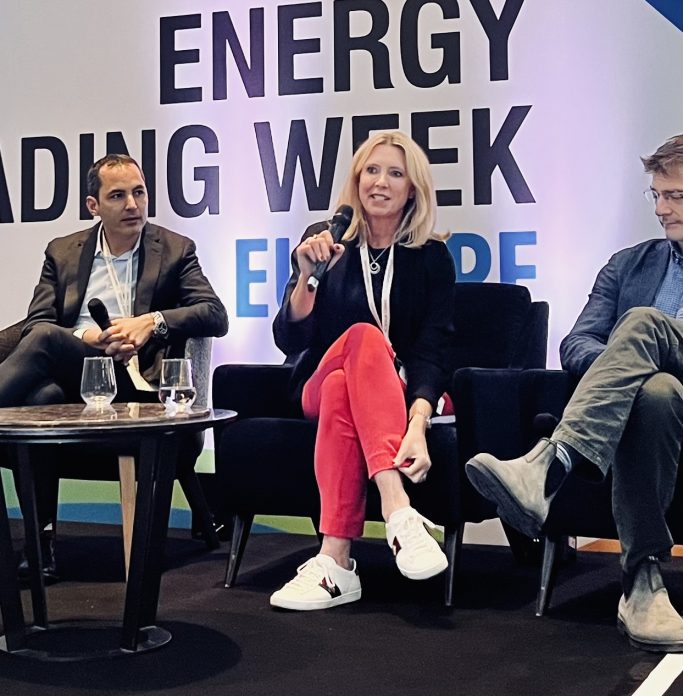
Dr Sophia Fannon-Howell — PhD; Oxford Saïd Business School (Strategic Innovation and Artificial Intelligence, 2025); Everywoman in Technology Awards finalist. Speaker at Commodity Trading Week, Energy Trading Week and Big Data LDN; STEM Mentor.